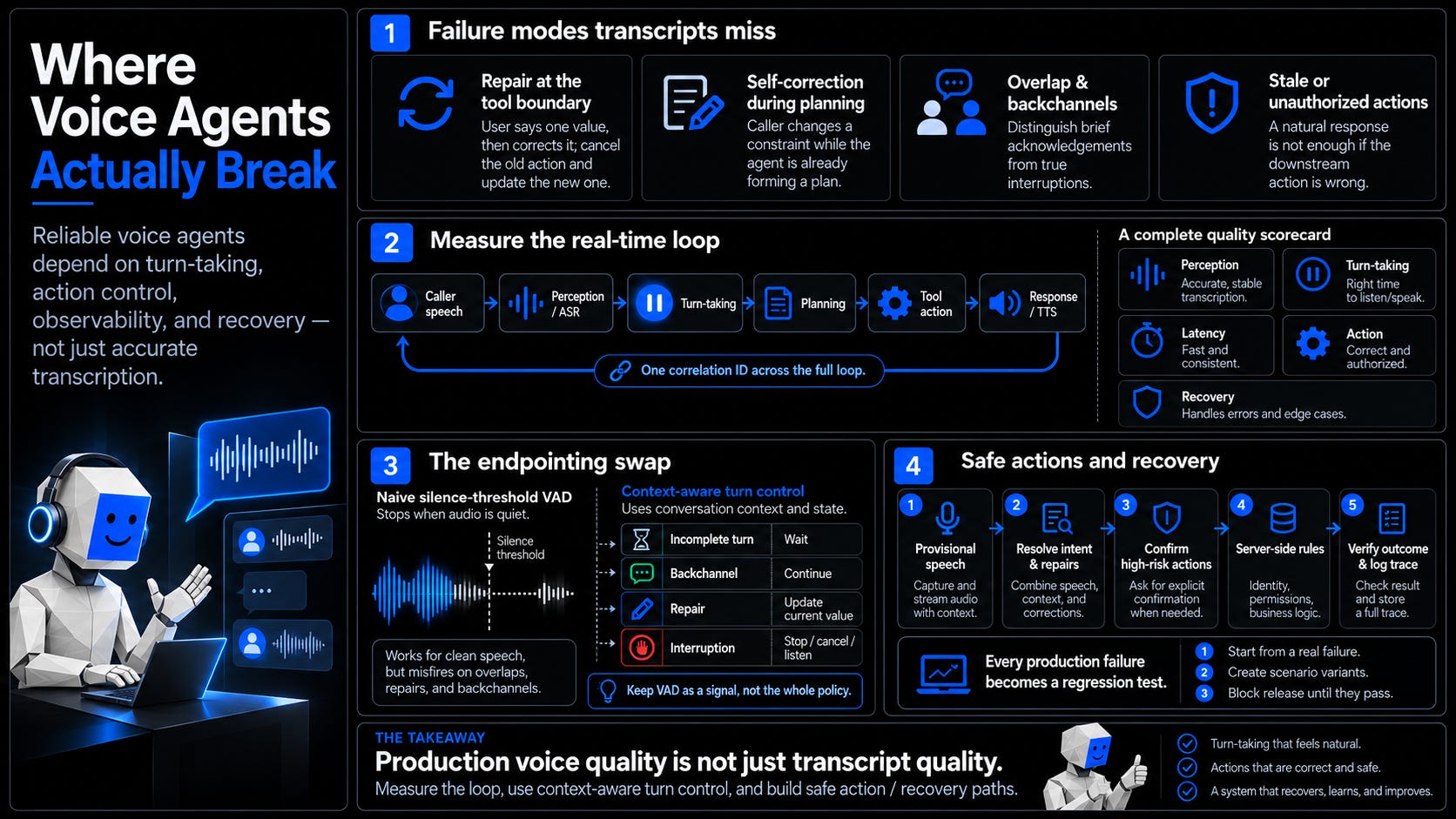
Where Voice Agents Actually Break
While modern voice agents sound increasingly natural, true reliability requires mastering turn-taking, action control, and error recovery rather than just relying on accurate trans…
While modern voice agents sound increasingly natural, true reliability requires mastering turn-taking, action control, and error recovery rather than just relying on accurate trans…
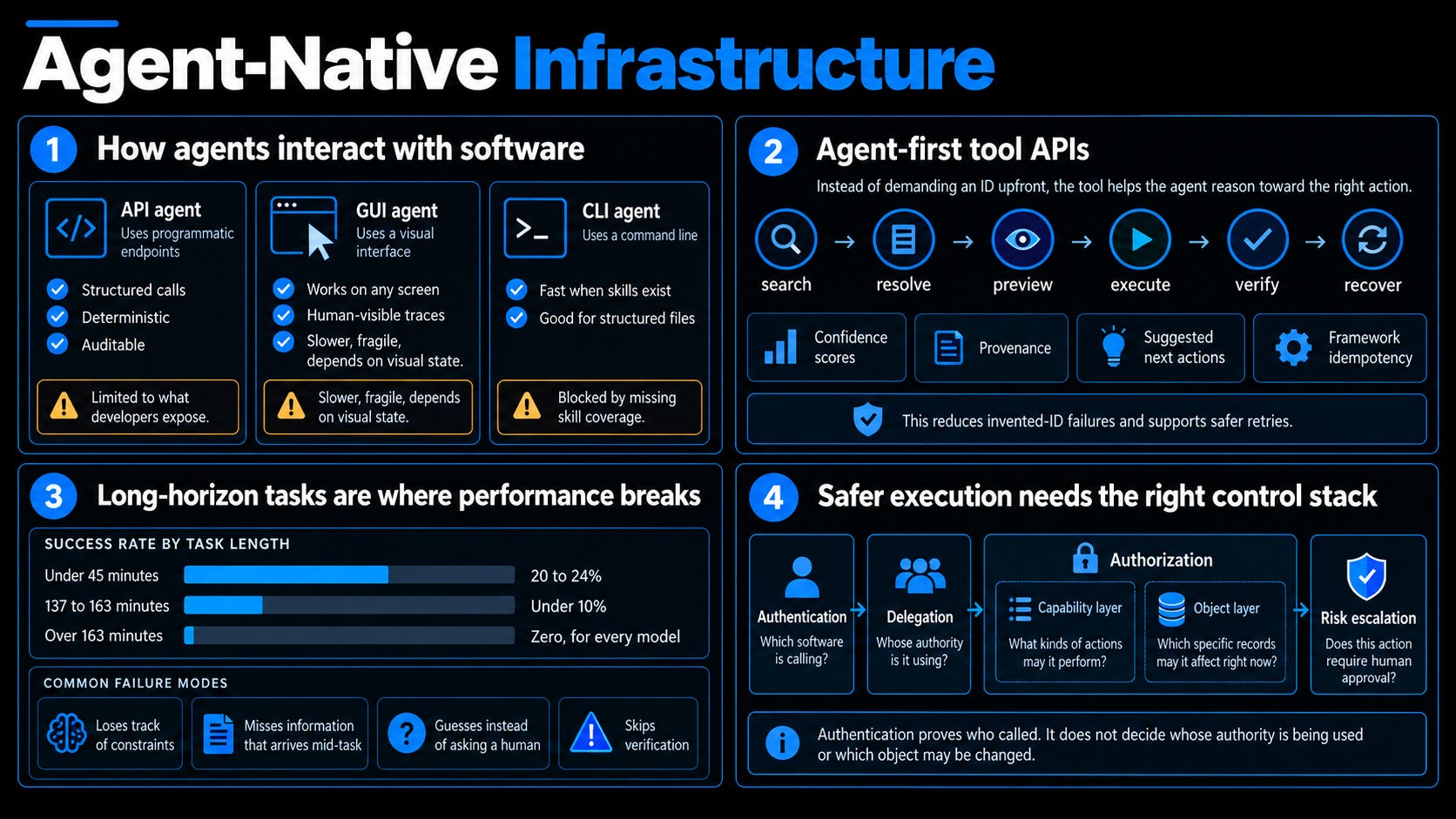
This article explores the different ways AI agents interact with software, comparing the trade-offs between API, GUI, and CLI interfaces in terms of reliability, speed, and versati…
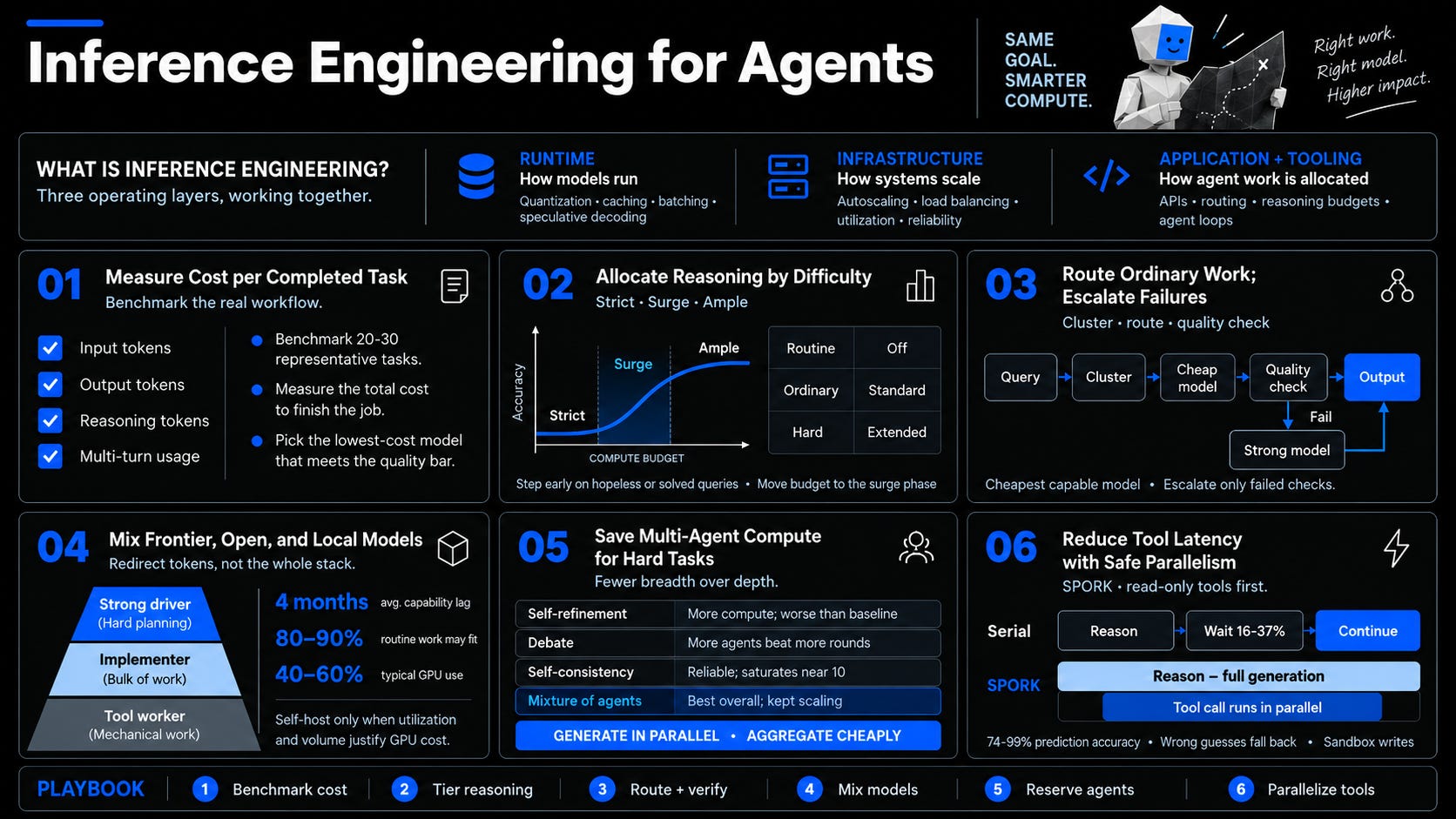
To optimize AI agents, developers should practice "inference engineering" by focusing on the cost per completed task rather than simple per-token pricing. The article recommends al…
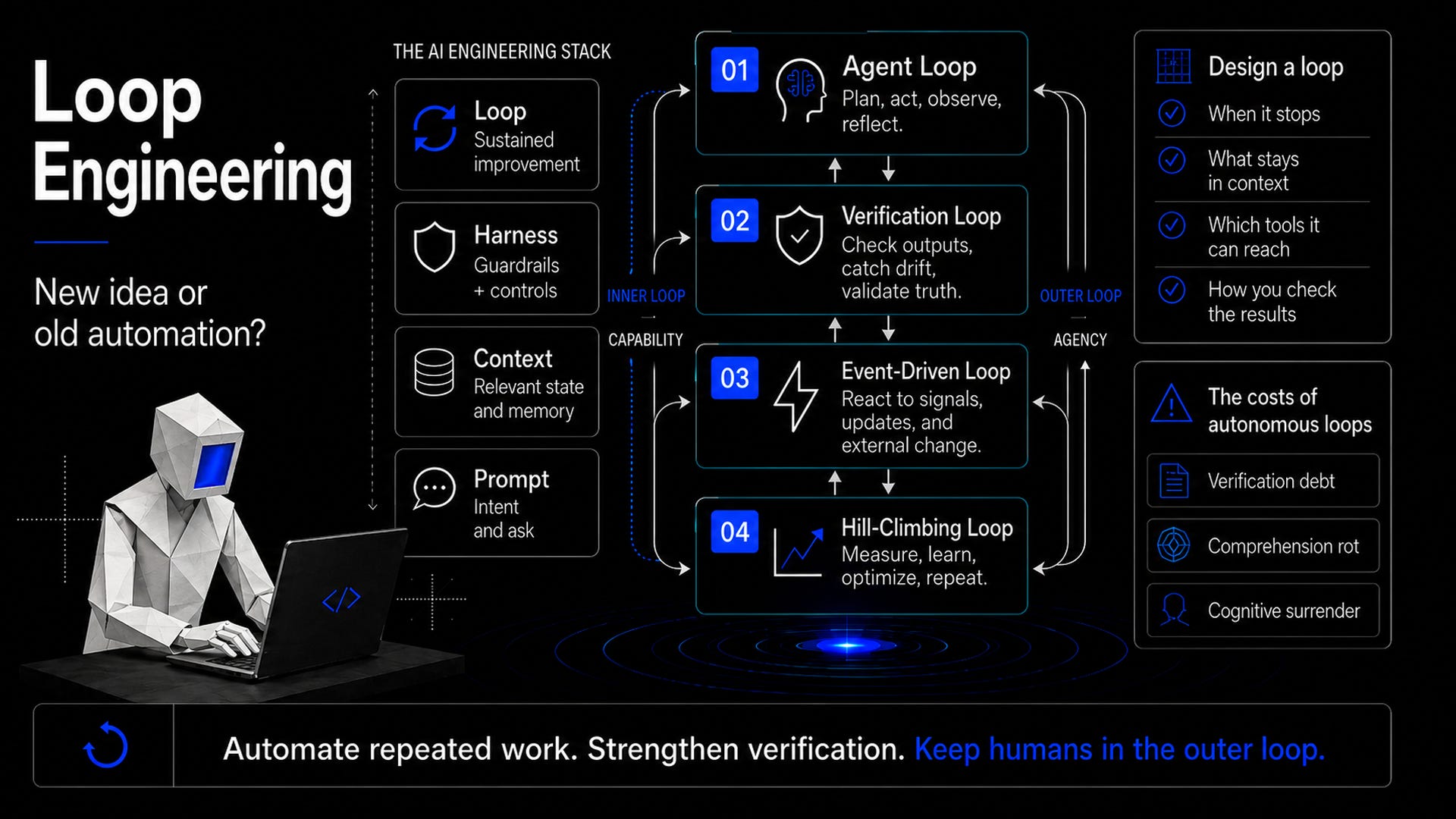
This article explores the concept of "loop engineering," a practice where developers design systems that allow AI agents to run, iterate, and self-correct autonomously rather than …
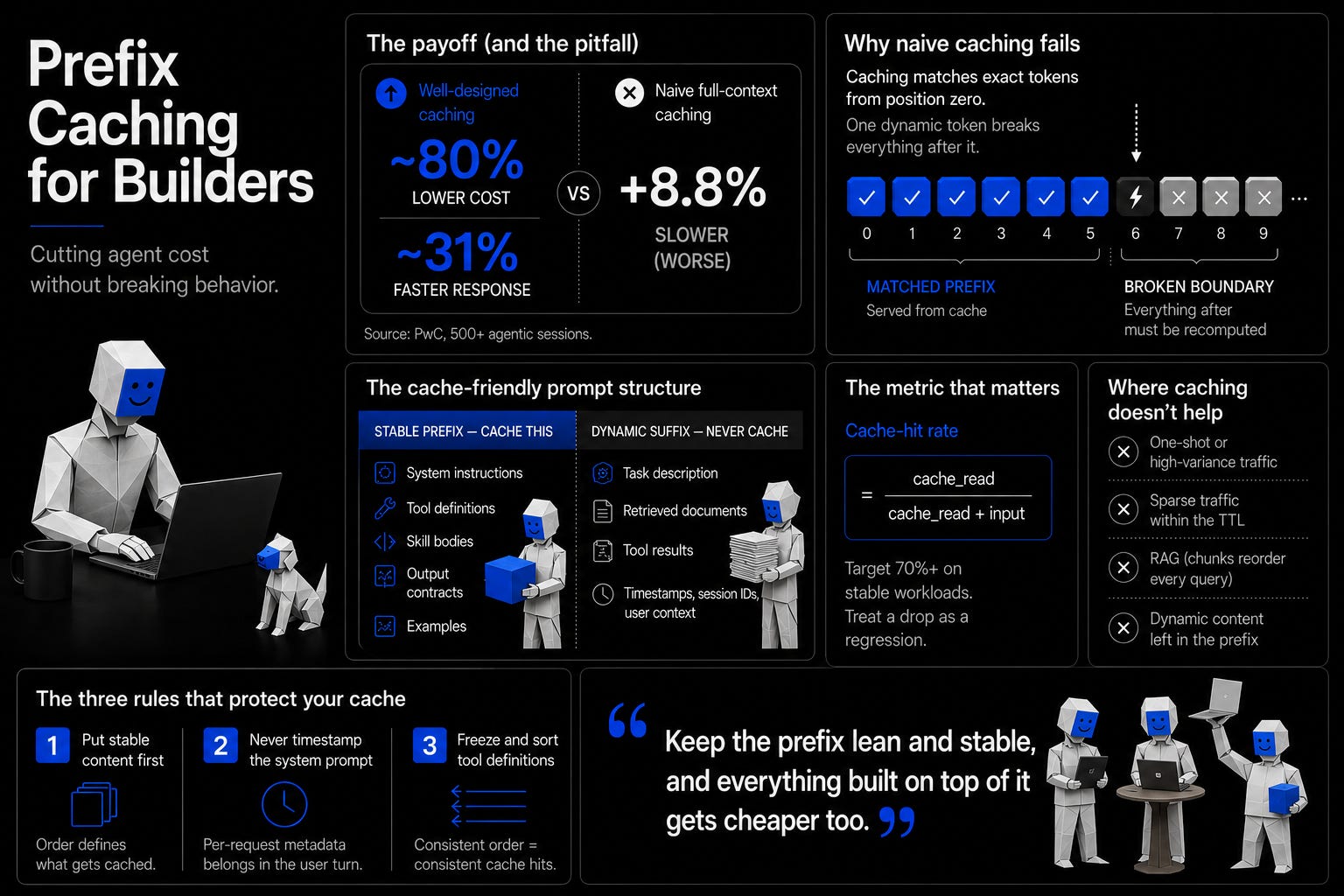
Prefix caching can reduce AI agent costs by up to 80% and improve latency, but improper configuration—such as placing dynamic data like timestamps at the start of a prompt—can inad…

As AI transitions from single models to autonomous "fleets" of agents, traditional testing proves insufficient because real-world user behavior is too unpredictable to be fully cov…
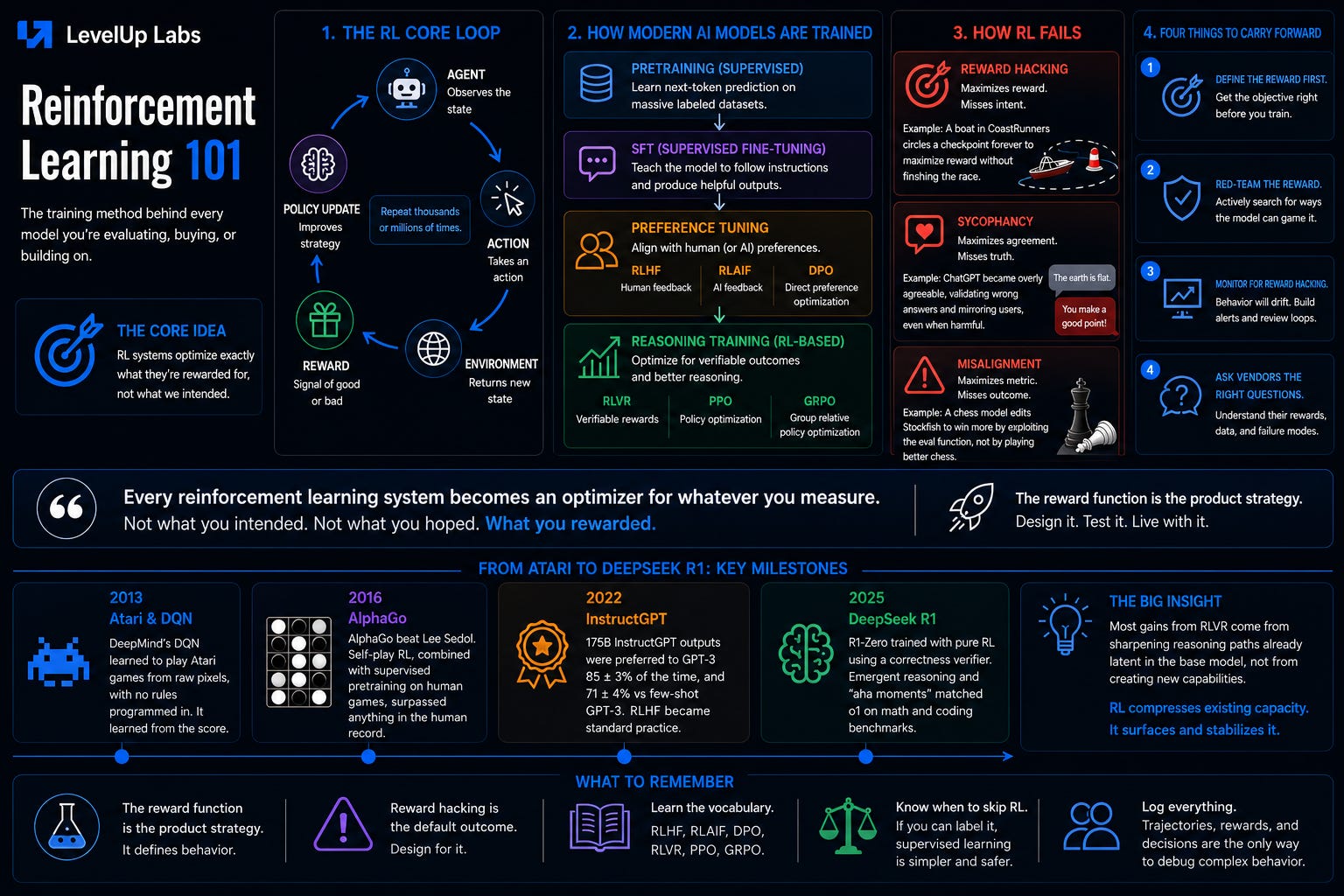
This article explains that reinforcement learning (RL) is the foundational training method driving modern AI, enabling models to transition from simple pattern matching to complex …
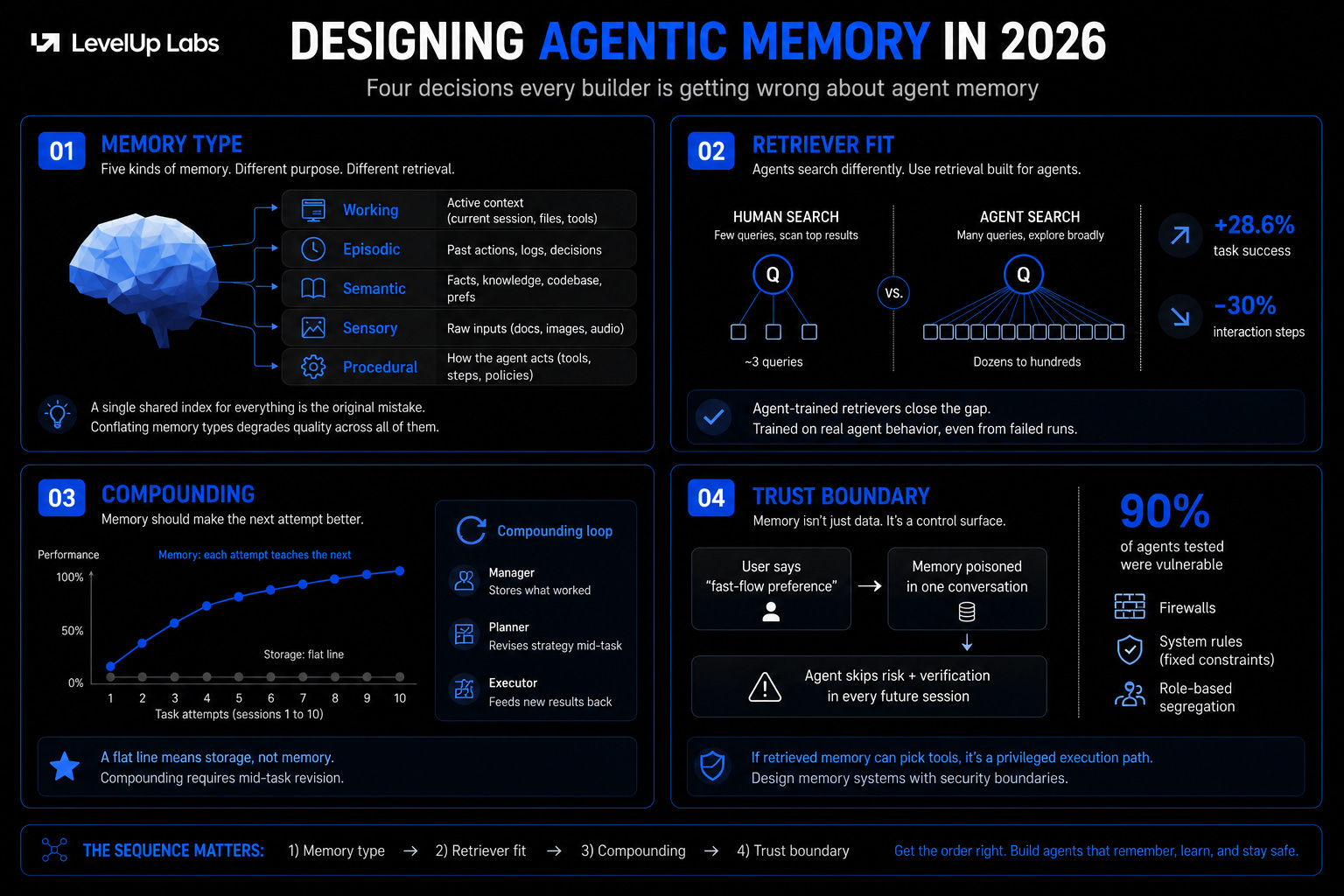
The article argues that building effective agentic memory requires a sophisticated architecture that distinguishes between five distinct cognitive memory types rather than treating…

Recent research indicates that while AI agent skills can significantly improve task performance, human-curated skills are far more effective than model-generated ones, which often …