
Teaching a 9B model to investigate production alerts
Datadog has developed a "training-data flywheel" to make large-scale agentic incident investigations economically viable by fine-tuning a smaller, specialized model (Qwen3.5-9B) us…
Datadog has developed a "training-data flywheel" to make large-scale agentic incident investigations economically viable by fine-tuning a smaller, specialized model (Qwen3.5-9B) us…

To address the lack of explicit user feedback for AI agents, Datadog researchers developed a "session classification skill" that uses weak labeling to approximate user satisfaction…
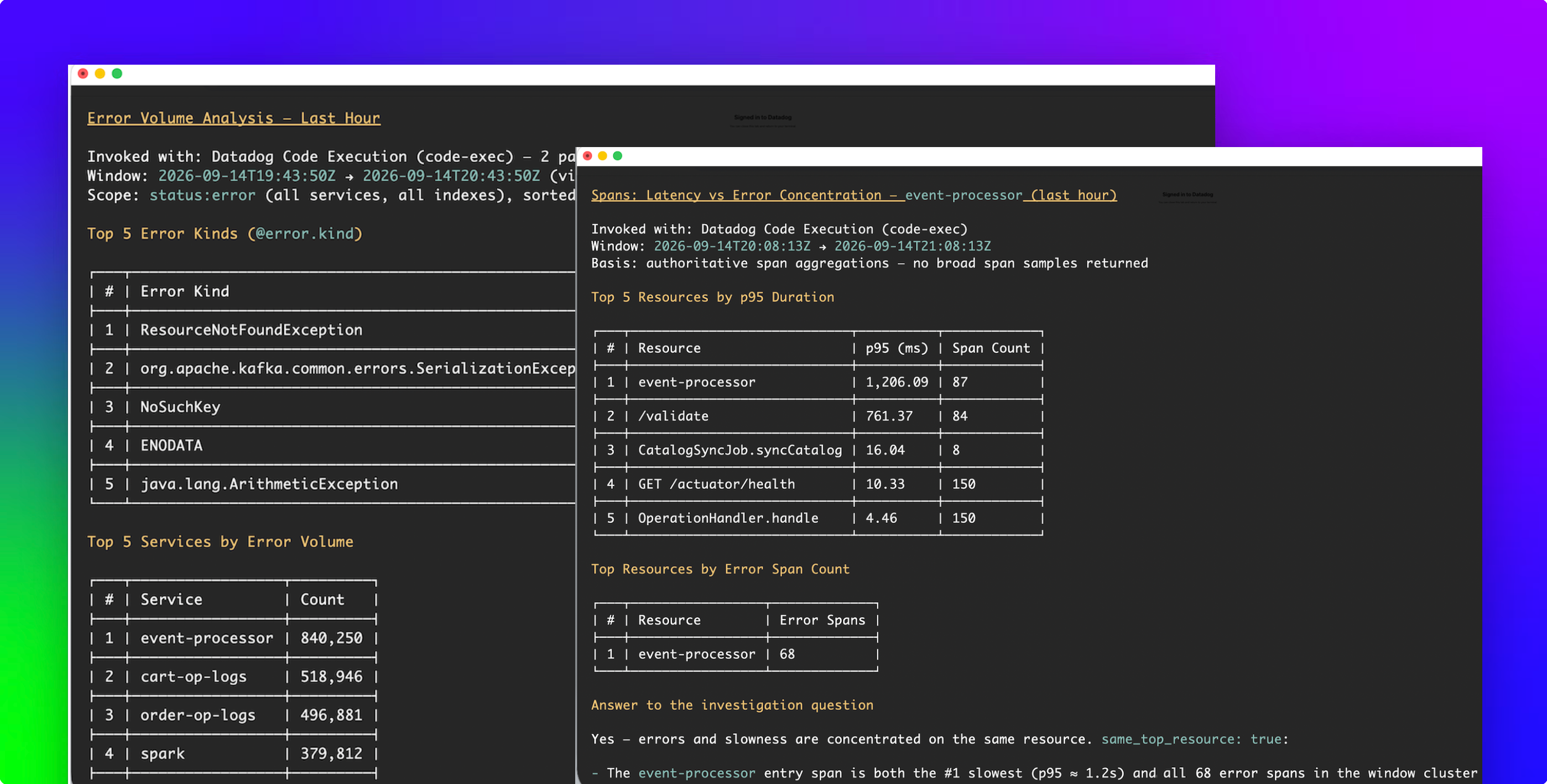
Datadog's new "Code Execution" feature enables AI agents to perform complex, multi-signal observability investigations using a sandboxed JavaScript environment. By allowing agents …
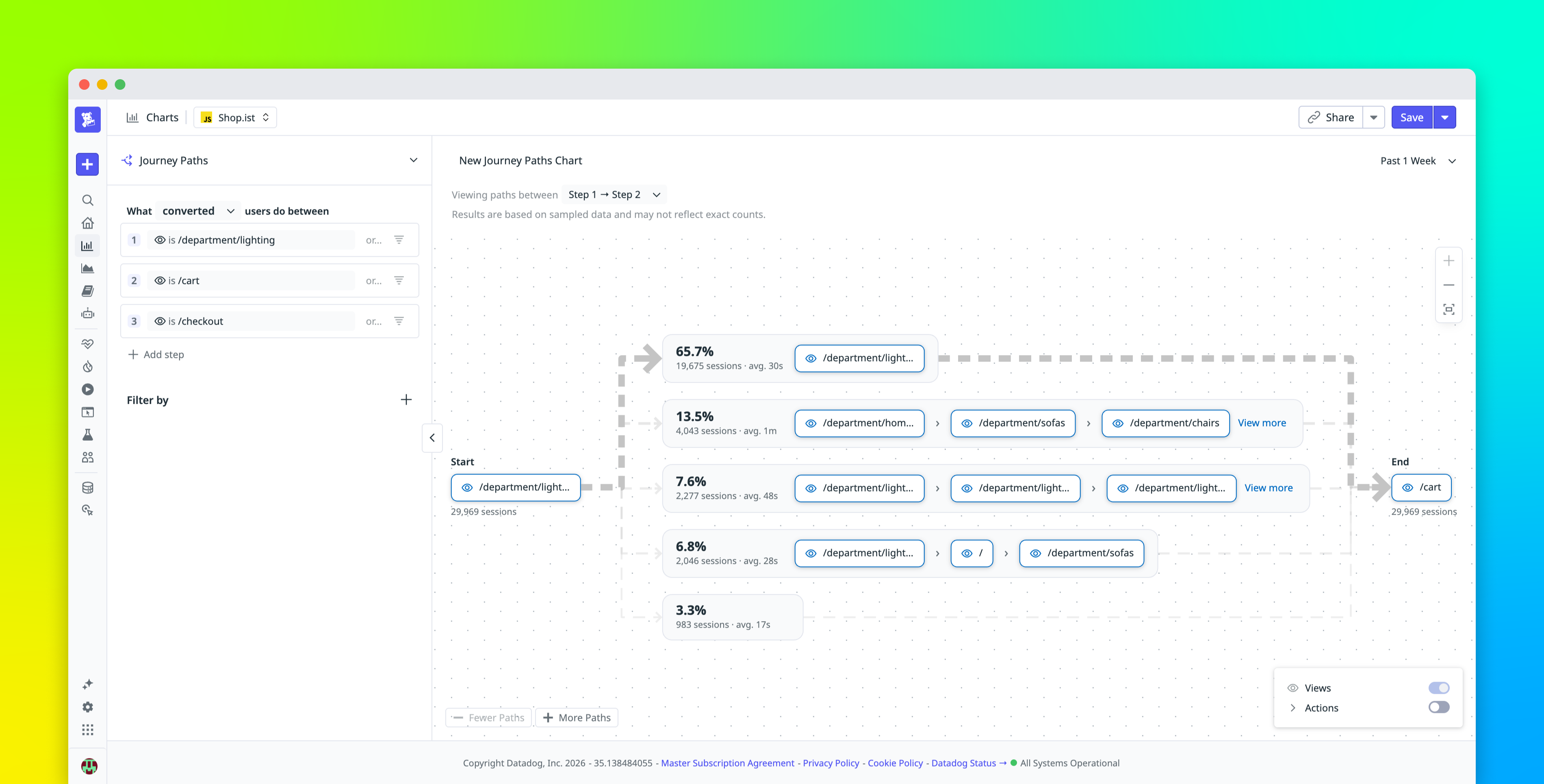
Datadog’s Journey Paths feature enhances traditional funnel analysis by visualizing the specific sequences of actions users take, revealing the actual behavior behind conversion an…
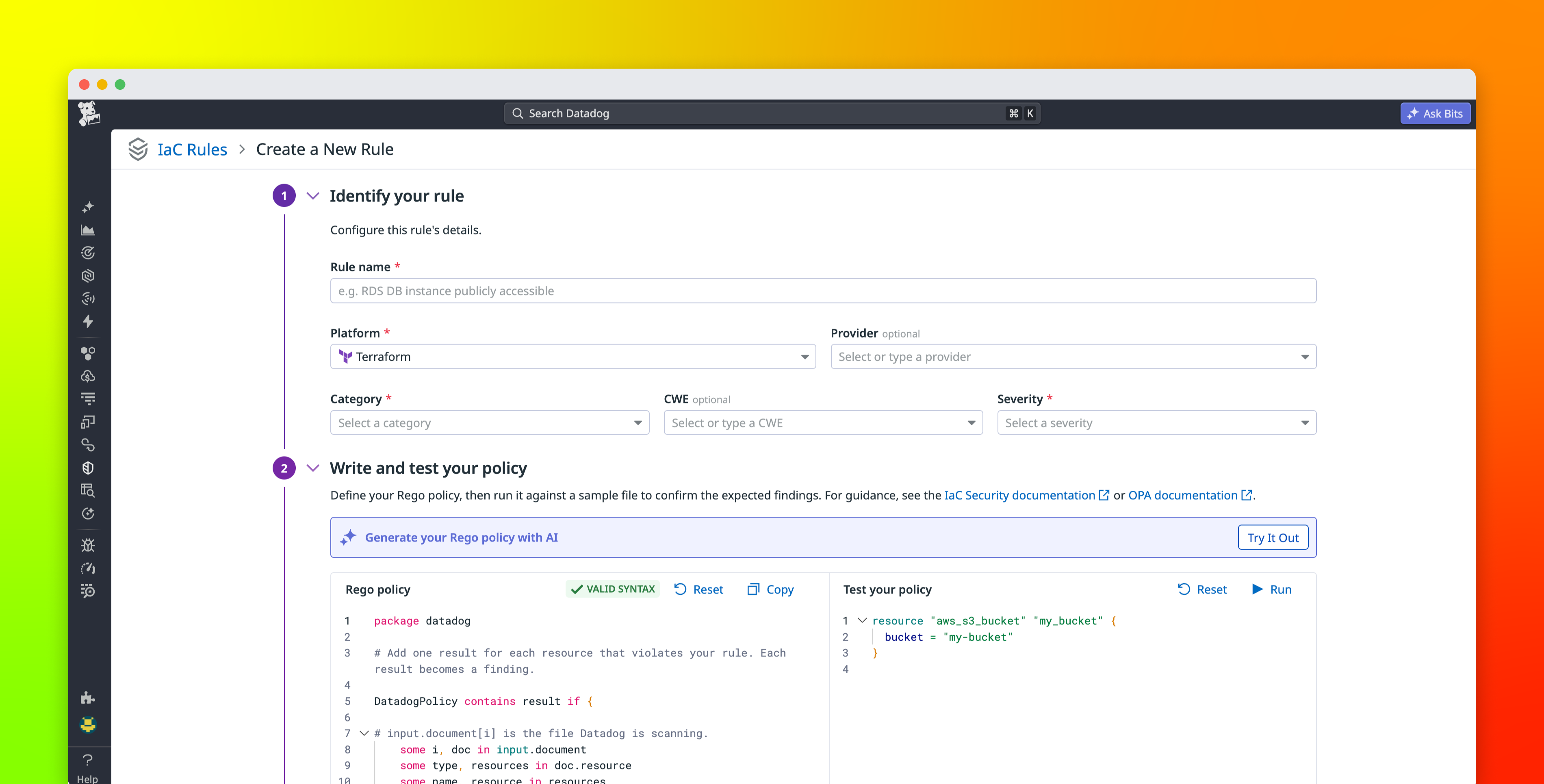
Datadog’s custom rules for IaC Security allow organizations to enforce specific internal standards, such as required tags or approved instance types, using Rego-based policies. The…
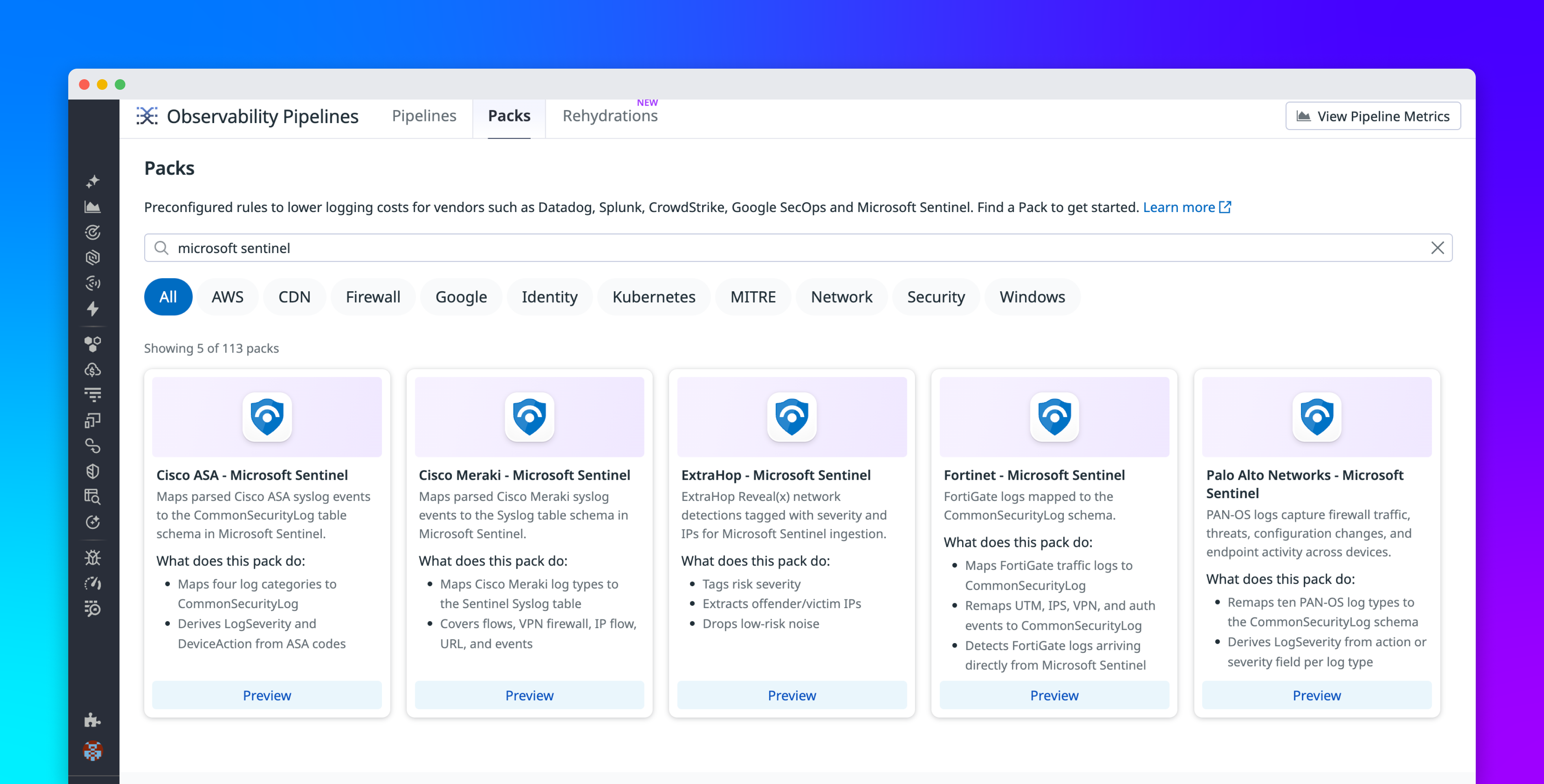
Datadog Observability Pipelines’ Microsoft Sentinel Packs provide preconfigured mappings that convert various vendor-specific logs into standardized Sentinel schemas before they ar…
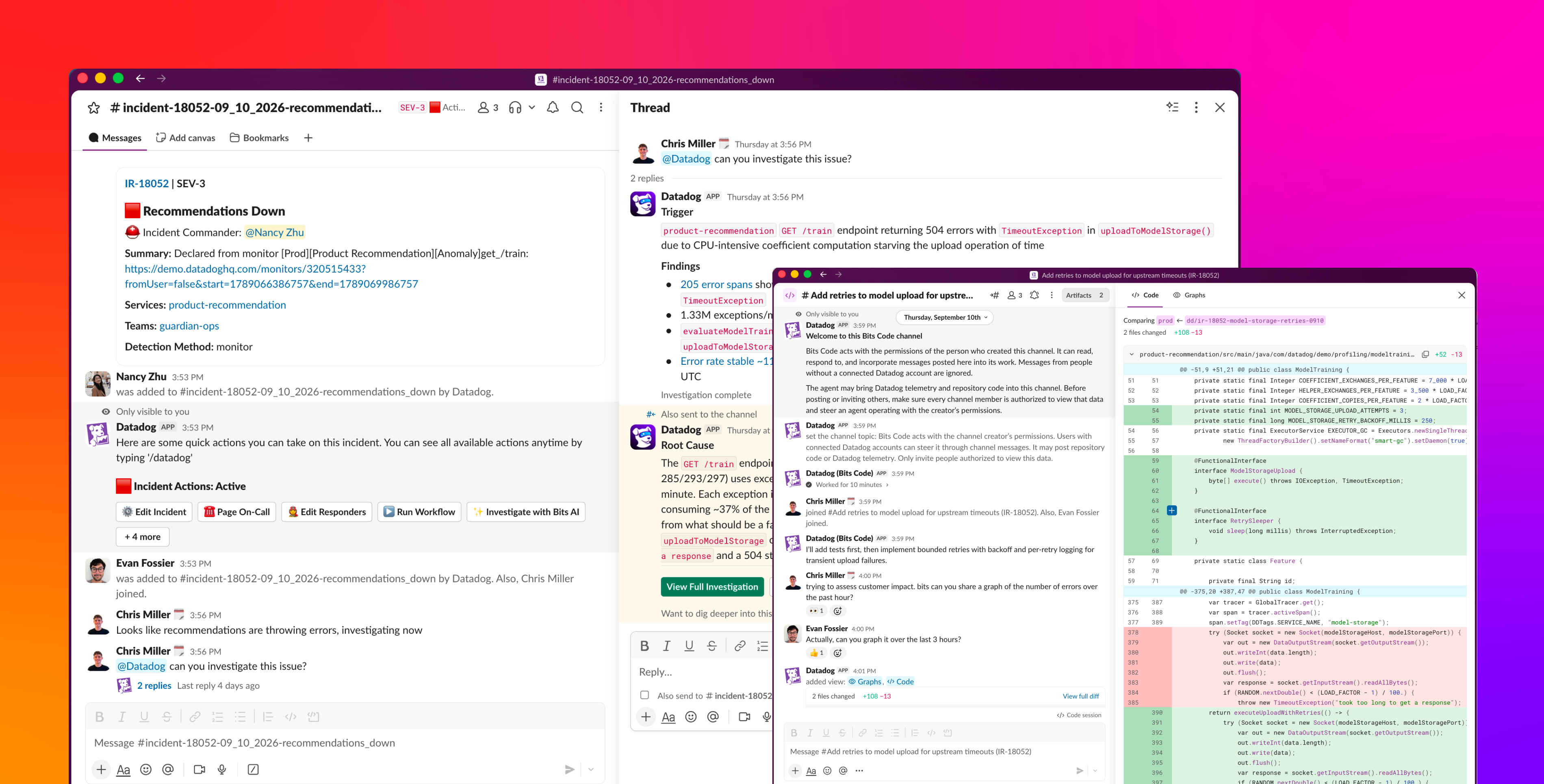
Datadog's Bits Chat integrates AI-driven incident response capabilities directly into Slack, allowing responders to investigate alerts, troubleshoot with telemetry data, and genera…
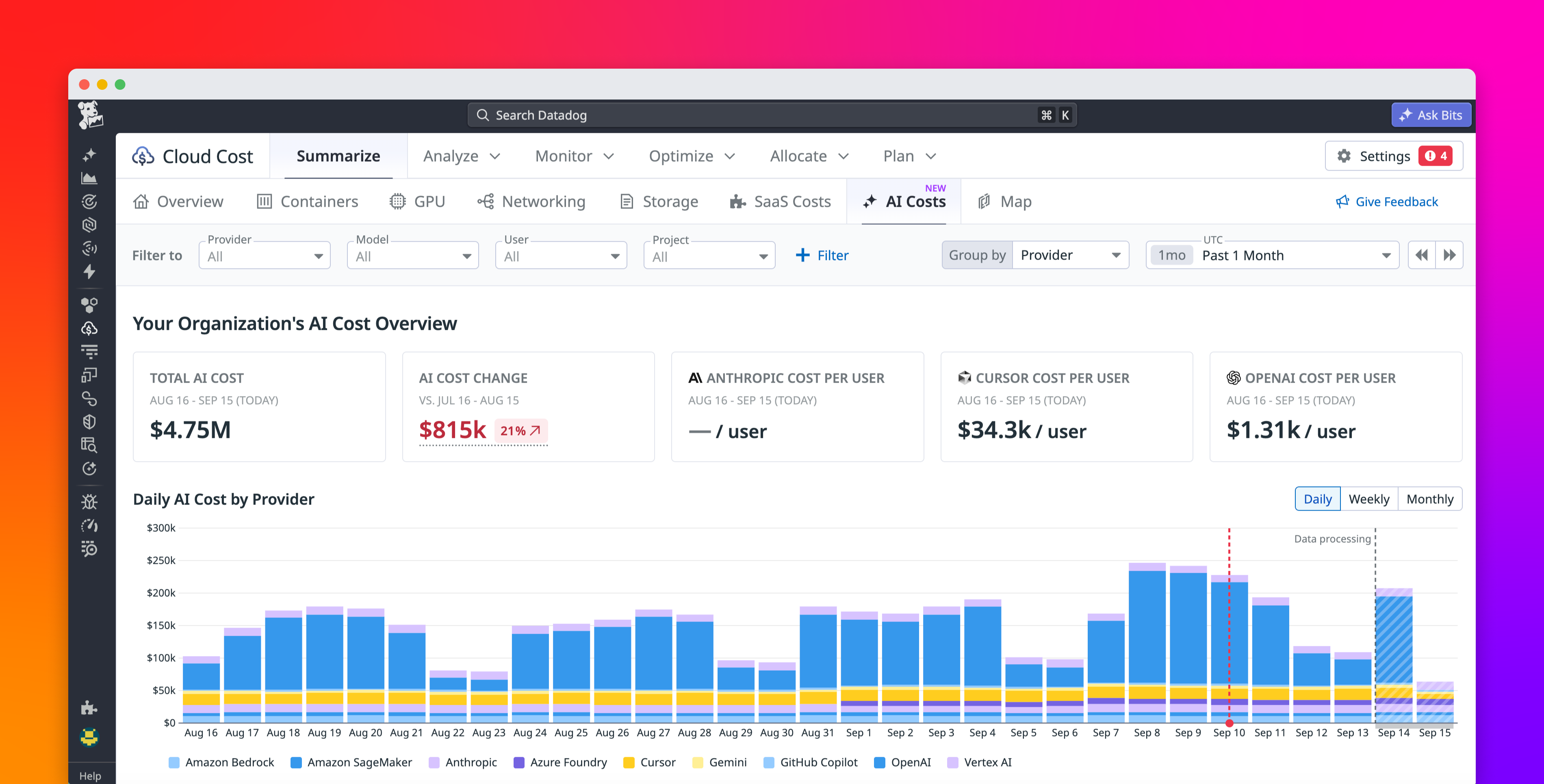
Datadog’s Cloud Cost Management (CCM) now integrates Cursor costs, providing engineering and FinOps teams with granular visibility into AI coding spend by user, model, and usage mo…

To operate autonomous agents at scale, platform teams must move beyond basic design and prepare for new operational risks by modeling the entire "agent trajectory" to identify dive…

Standard Kubernetes scheduling fails to meet the complex requirements of distributed AI training, which demands both topology-aware placement for low-latency GPU communication and …

Datadog has been recognized by Gartner as a Leader in Observability Platforms and named the "Company to Beat" in the 2026 AI Vendor Race. To support the rise of AI-native applicati…

NetFlow duplication occurs when multiple network devices report the same traffic flow, resulting in inflated data that undermines accurate capacity planning and performance metrics…