Agentic SOCs: The public sector’s new AI cybersecurity defense
To counter the rapid rise of AI-driven cyberattacks, public sector organizations are adopting "agentic SOCs" that use autonomous agents to automate threat detection and response wh…
As AI-driven cost pressures push enterprises to move away from fragmented toolsets toward unified platforms, Elastic is positioning its integrated search, observability, and securi…
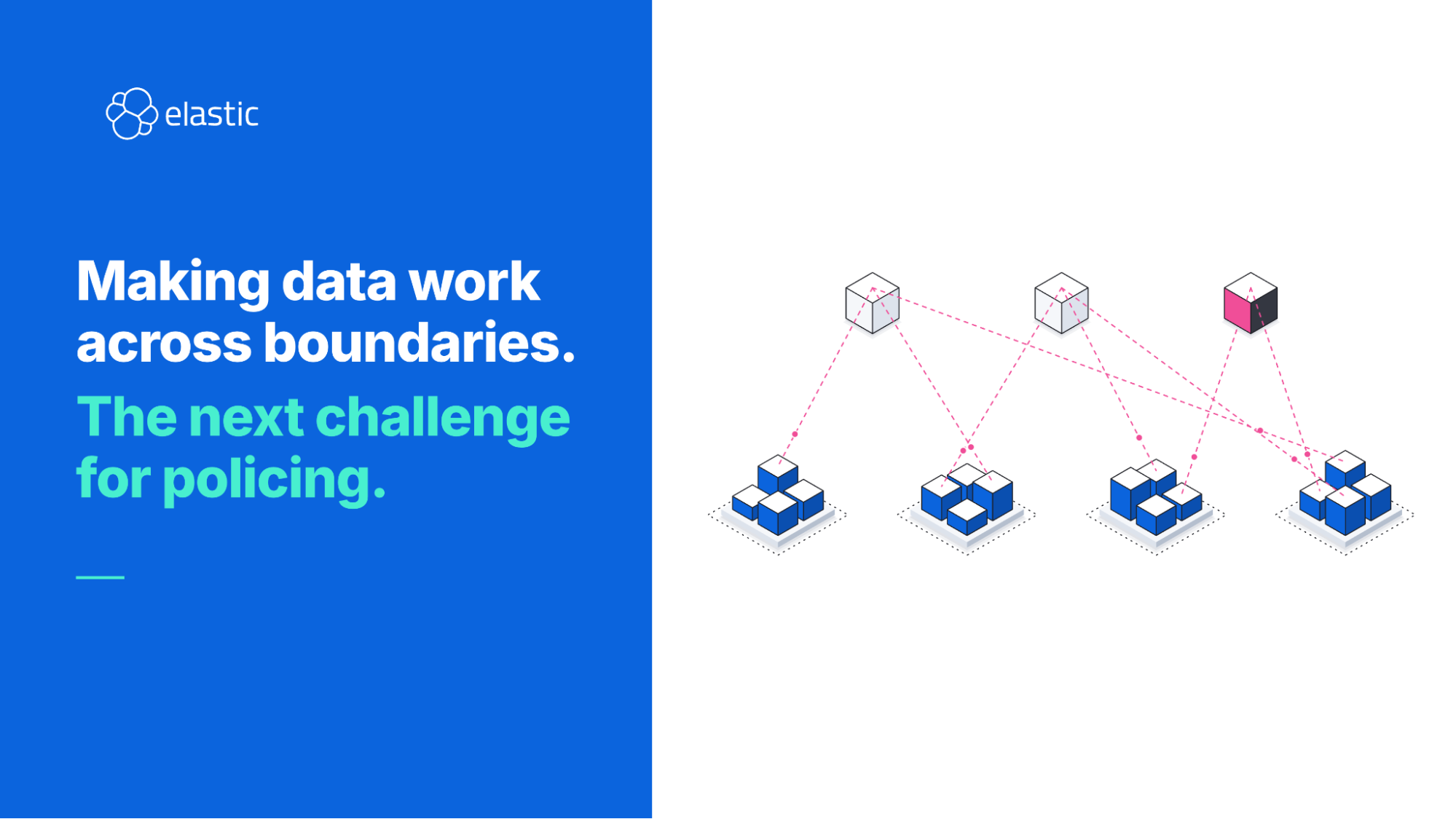
Data gravity, the increasing difficulty of moving massive datasets, creates fragmented security environments that hinder AI effectiveness and inflate operational costs. To overcome…
In 2026, Elastic introduced major advancements in AI and observability, including multimodal indexing for text, images, and audio through the Elastic Inference Service and new MCP …
As AI-powered threats become more sophisticated, protecting critical infrastructure requires moving away from fragmented legacy systems toward a unified, data-driven security found…
LivePerson’s observability team optimized their high-volume logging pipeline by benchmarking various GCP machine types, discovering that switching to the `n4d-standard-2` instance …
Scaling AI in financial services requires moving beyond front-office hype to focus on a robust backend foundation centered on unified data, rigorous governance, and enterprise-wide…
Elastic Stack 9.3.5 has been released, featuring critical fixes for potential security vulnerabilities. Users are strongly encouraged to upgrade from version 9.3.4 and should consu…
The Elastic Stack 9.4.2 has been released, and users are encouraged to upgrade from previous versions, such as 9.4.1. This update is particularly important because it includes fixe…
Elastic Stack version 8.19.16 has been released, and users are encouraged to upgrade from previous versions like 8.19.15. This update specifically includes important fixes for pote…
As the industry shifts from AI assistants to autonomous agents, organizations face significant technological gaps in data quality, context engineering, legacy system integration, a…
Many financial services AI initiatives fail because they lack a unified data foundation, often relying on fragmented, siloed, or manual data processes that prevent models from acce…