

Why discovery doesn’t equal Power Platform migration readiness
Power Platform migration readiness involves moving beyond simple asset discovery to making strategic business decisions regarding the necessity, ownership, and modernization of eac…
Power Platform migration readiness involves moving beyond simple asset discovery to making strategic business decisions regarding the necessity, ownership, and modernization of eac…

Security debt is accumulating most rapidly within an organization's identity infrastructure through unmanaged accounts, excessive permissions, and fragmented systems. This risk is …

The rapid proliferation of AI agents is creating a surge of non-human identities that pose significant security risks to critical systems and data. Rather than waiting for theoreti…

Quest Software is expanding its AI-powered Security Management Platform with five new capabilities, such as agentic AI defense and managed recovery services, to address evolving id…
The rise of AI-driven machine and agentic identities has elevated identity security from a technical IT challenge to a critical board-level business resilience risk. To defend agai…
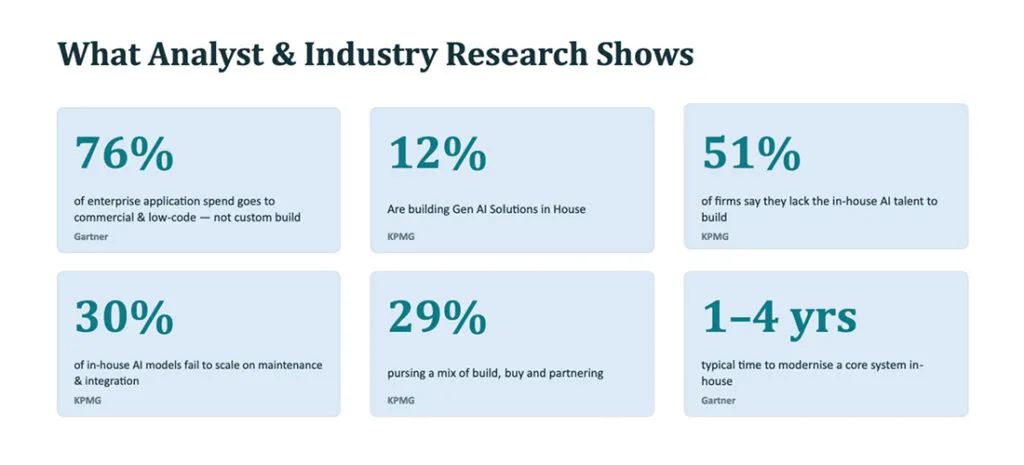
The author recommends a "buy-first" strategy for data and AI, suggesting that organizations should purchase foundational tools to accelerate time to value and avoid the immense com…

Instead of merely accelerating flawed processes with AI, organizations must prioritize building a robust data foundation through unified governance, modeling, and quality control. …

Rapidly deploying autonomous AI agents without prepared data environments creates a significant risk of cascading failures, where minor data errors trigger a chain reaction of inco…

AI security is fundamentally an identity security challenge because AI agents do not create their own trust, but instead inherit the permissions and vulnerabilities of existing ide…

High AI costs are often driven by fragmented data that forces models to expend excessive tokens trying to interpret missing business context. Implementing a semantic layer provides…

Using the recent OpenAI breach of Hugging Face as a warning, this article argues that autonomous AI agents can rapidly exploit existing identity vulnerabilities much faster than hu…

While general-purpose AI can quickly generate plausible data models, these isolated snapshots lack the governance, connectivity to live databases, and security required for enterpr…